How to Grow Cockscomb
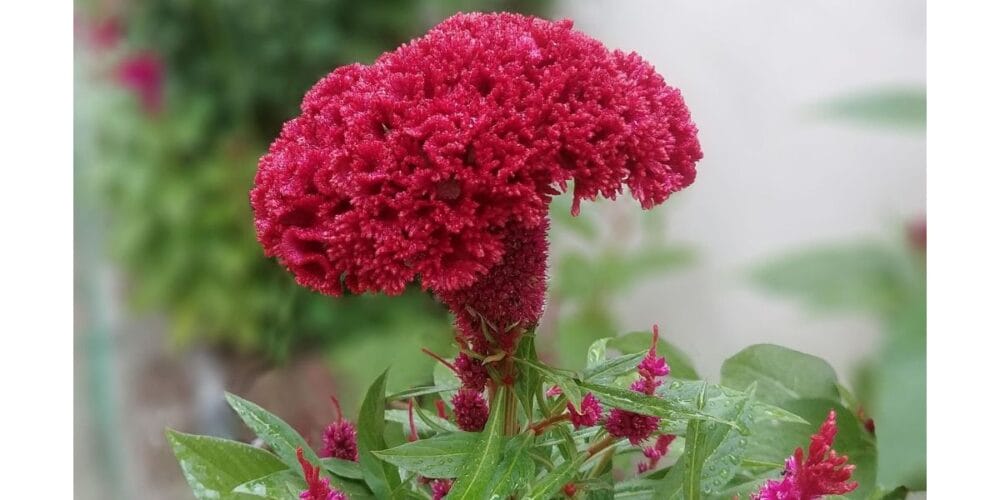
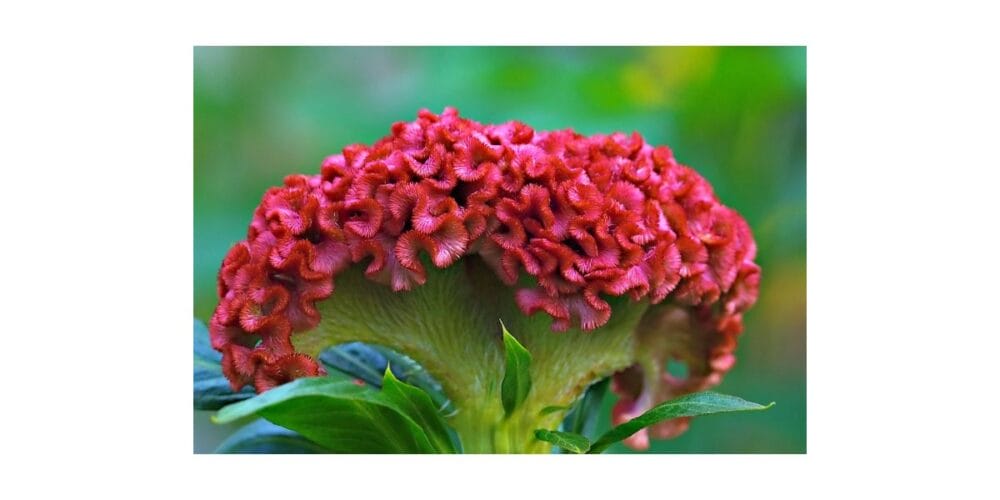
The vibrant and unusual Cockscomb flower is one of the most eye-catching ornamental plants you can grow in your garden. Known for its velvety, brain-like blooms that resemble a rooster’s comb, this plant adds dramatic color and texture to flower beds, borders, and containers. Scientifically known as Celosia cristata, cockscomb belongs to the amaranth family and thrives in warm climates.
Gardeners love cockscomb for its bright colors, easy maintenance, and long blooming period. If you want to add a bold splash of red, yellow, orange, or pink to your garden, this guide will walk you through everything you need to know about growing cockscomb successfully.
What is Cockscomb?
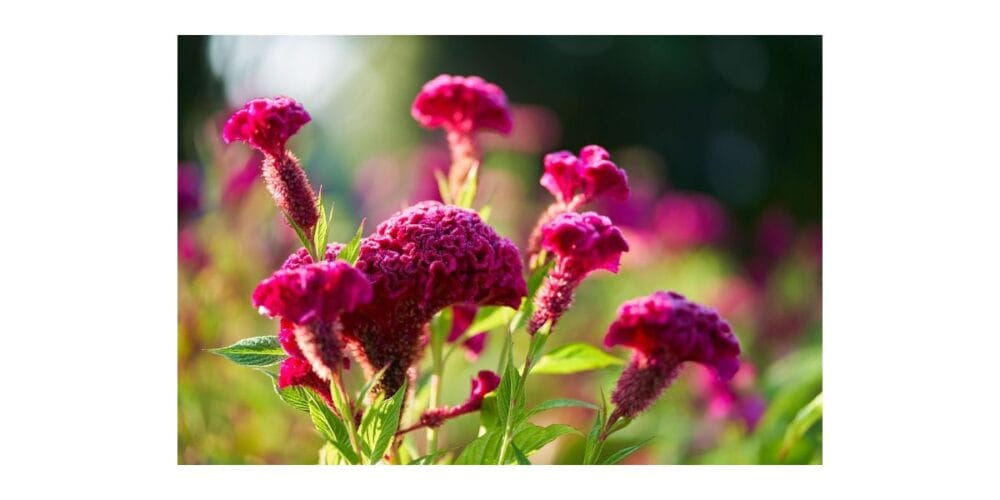
Cockscomb is a tropical annual flowering plant famous for its unique crested flower heads. The flowers look like folded velvet or coral and remain vibrant for several weeks.
Key Characteristics
- Scientific Name: Celosia cristata
- Plant Type: Annual ornamental flower
- Height: 12–36 inches
- Bloom Colors: Red, yellow, orange, pink, and purple
- Blooming Season: Summer to early fall
Because of its striking appearance and heat tolerance, cockscomb is widely used in ornamental landscaping and decorative gardens.



Benefits of Growing Cockscomb
Growing cockscomb offers several advantages for gardeners:
1. Unique Decorative Flowers
The unusual comb-shaped flowers create a dramatic focal point in gardens.
2. Heat and Drought Tolerant
Cockscomb thrives in hot climates, making it suitable for tropical and subtropical regions.
3. Long Blooming Period
With proper care, the flowers can last from early summer until the first frost.
4. Great for Cut and Dried Flowers
The blooms retain color even when dried, making them perfect for floral arrangements.
5. Attracts Pollinators
Bees and butterflies are naturally attracted to the vibrant blooms.
Ideal Growing Conditions for Cockscomb
Providing the right environment is essential for healthy plant growth.
Climate
Cockscomb grows best in warm climates with temperatures between 20–35°C.
Sunlight
The plant requires full sunlight for at least 6–8 hours per day. More sunlight results in brighter flowers and stronger stems.
Soil
Well-drained, fertile soil is ideal.
Best soil characteristics:
- Loamy or sandy soil
- Good drainage
- pH between 6.0–7.0
Mixing compost or organic manure into the soil improves growth and flowering.
How to Grow Cockscomb from Seeds
Cockscomb is commonly grown from seeds because they germinate easily.
Step 1: Seed Selection
Choose high-quality seeds from a reliable nursery or garden store.
Step 2: Seed Starting
You can start seeds indoors or sow them directly in the garden.
Indoor sowing method:
- Fill seed trays with seed-starting mix.
- Sow seeds lightly on the surface.
- Cover with a thin layer of soil.
- Water gently.
Seeds usually germinate within 7–14 days.
Step 3: Transplanting
When seedlings reach 3–4 inches tall, transplant them into the garden.
Maintain spacing of 10–12 inches between plants.
Also Read: How to Grow Magnolia: A Complete Guide to Planting and Caring for Magnolia Trees
Watering Requirements
Proper watering keeps plants healthy and prevents diseases.
- Water 2–3 times per week during dry weather.
- Keep soil moist but not soggy.
- Avoid overwatering because it can cause root rot.
Morning watering is best because it allows leaves to dry quickly.
Fertilizer and Nutrient Management
Cockscomb responds well to balanced fertilization.
Recommended Fertilizer
Use a balanced NPK fertilizer (10-10-10) or organic compost.
Application Schedule
- Apply fertilizer once every 3–4 weeks.
- Avoid excessive nitrogen because it may produce more leaves than flowers.
Organic options such as vermicompost or cow manure can also enhance growth.
Common Pests and Diseases
Although cockscomb is relatively hardy, some pests and diseases may affect it.
Common Pests
- Aphids
- Spider mites
- Whiteflies
Control methods:
- Spray neem oil solution
- Use insecticidal soap
- Remove heavily infested leaves
Diseases
- Leaf spot
- Root rot
- Powdery mildew
Good air circulation and proper watering can prevent most problems.
Pruning and Maintenance
Regular maintenance helps the plant grow healthier and produce more blooms.
Important tips:
- Remove faded flowers to encourage new blooms.
- Trim damaged or yellow leaves.
- Keep the garden weed-free.
These simple steps improve both plant health and garden appearance.
Also Read: Marigold Farming: A Complete Guide to Profitable Flower Cultivation
Harvesting and Using Cockscomb Flowers

Cockscomb flowers are often used in decorative arrangements.
Harvesting Tips
- Cut flowers when they are fully developed and vibrant.
- Use sharp scissors or pruning shears.
Drying Flowers
Hang flowers upside down in a cool, dry place for several weeks to create beautiful dried floral decorations.
FAQs About Growing Cockscomb
1. How long does cockscomb take to grow?
Cockscomb typically blooms 90–120 days after planting.
2. Can cockscomb grow in pots?
Yes, it grows very well in containers and pots with proper sunlight and drainage.
3. Does cockscomb come back every year?
In most regions, it is grown as an annual plant, but it can reseed itself in warm climates.
4. Why are my cockscomb plants not flowering?
Common reasons include insufficient sunlight, excess nitrogen fertilizer, or overcrowding.
Also Read: Tulip Flower Cultivation: A Complete Guide for Gardeners and Growers
Final Thoughts
Cockscomb is a fantastic ornamental plant that brings bold color and unique texture to any garden. Its striking comb-shaped blooms, low maintenance requirements, and tolerance for heat make it a great choice for both beginner and experienced gardeners.
By providing full sunlight, well-drained soil, regular watering, and balanced fertilization, you can enjoy beautiful cockscomb flowers throughout the growing season. Whether planted in garden beds, borders, or containers, this stunning flower will surely make your garden stand out.
Also Read: About How to Grow Cockscomb on https://www.thespruce.com/cockscomb-growing-guide-5191461 Site